
Manufacturing Process Description of Large Wind Turbine Impellers
Time:Jan 22nd, 2026
Pageviews:5
Share:
According to the "Technical Specifications for Wind Turbine Products," before the impeller is cut, the material and mechanical properties of the steel must be strictly reviewed according to relevant standards in GB/T and JB/T.
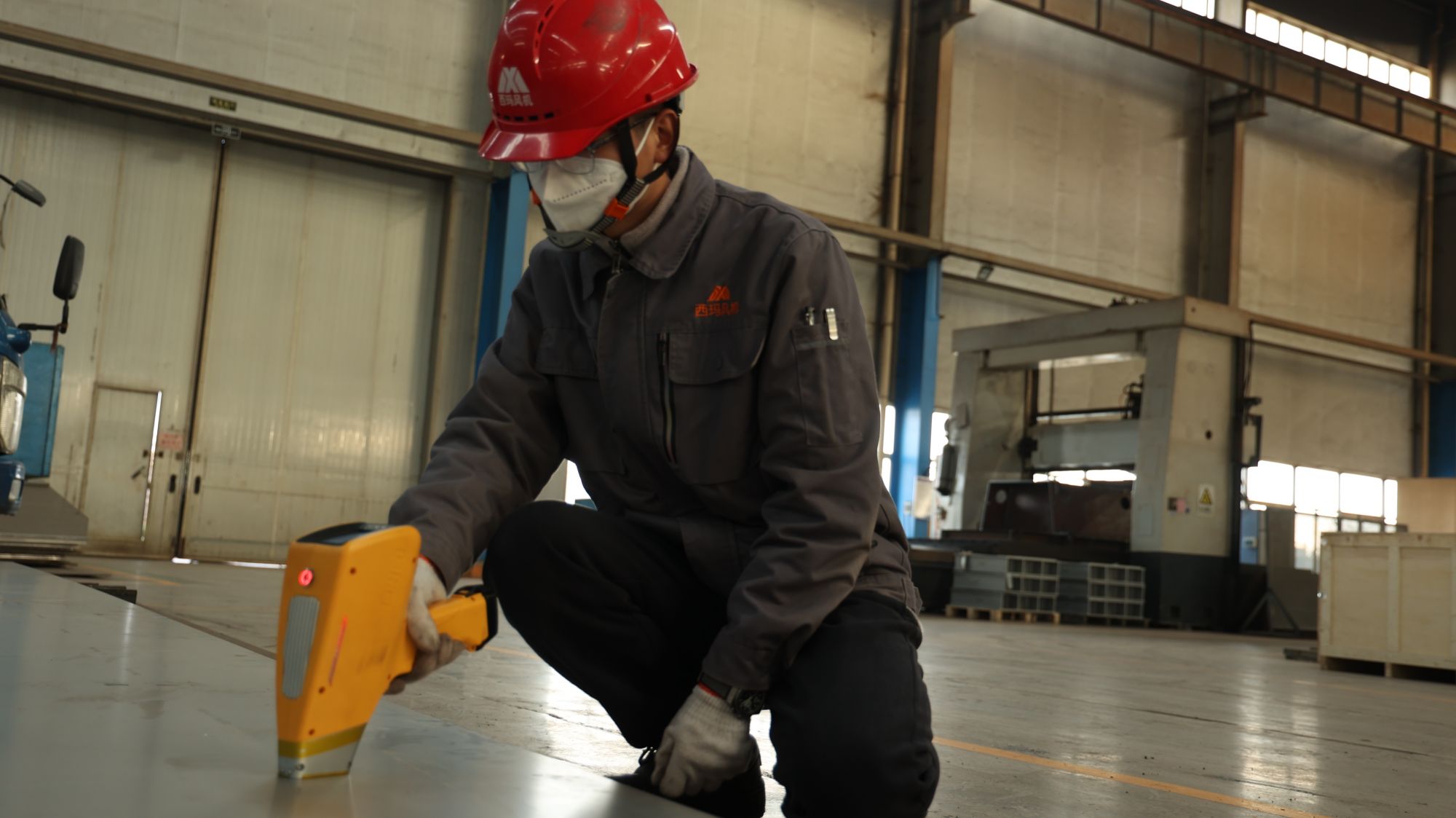
After passing ultrasonic testing, CNC cutting, molding, splicing and welding, and shaping and straightening are carried out. All weld seams are then subjected to ultrasonic testing to ensure the welding quality of the impeller.
.jpg)
Due to the complex structure of the impeller, strict heat treatment is applied after welding to eliminate post-weld internal stress. Eliminating internal stress is crucial for the safe and stable operation of the wind turbine. Improper handling will cause the stress to gradually release during operation, leading to wind turbine vibration. In severe cases, this can cause shutdown or even damage.
.jpg)
After passing ultrasonic testing, CNC cutting, molding, splicing and welding, and shaping and straightening are carried out. All weld seams are then subjected to ultrasonic testing to ensure the welding quality of the impeller.
Due to the complex structure of the impeller, strict heat treatment is applied after welding to eliminate post-weld internal stress. Eliminating internal stress is crucial for the safe and stable operation of the wind turbine. Improper handling will cause the stress to gradually release during operation, leading to wind turbine vibration. In severe cases, this can cause shutdown or even damage.
When addressing the annealing process of the core component of the wind turbine—the impeller—our company uses a resistance annealing furnace to eliminate residual welding stress, stabilize the impeller's structural dimensions, and effectively reduce deformation during actual operation, thus ensuring safe and stable operation.
Years of practice have proven this process to be highly reliable.


